Division 04 of 06
Grains & Legumes
- Lines carried
- 7 listed
- Regions served
- 6 corridors
- Documentation
- 8 document types
- Enquiries answered
- Within one business day
Licensed activity · Grains, Cereals & Legumes Trading
Overview
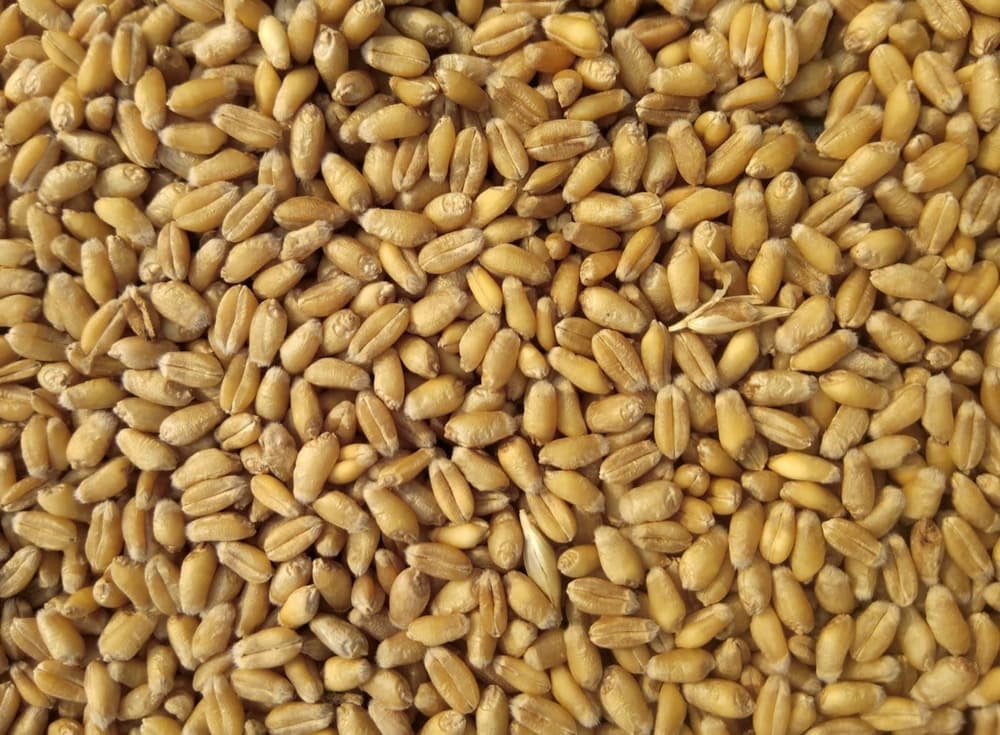
We supply milling and feed wheat, yellow maize, barley, sorghum, long-grain white and parboiled rice, soybeans and soybean meal, and pulses: chickpeas, red and green lentils, yellow and green peas and faba beans. Contracts state crop year and origin together with the full quality schedule — protein, moisture, test weight, foreign matter, broken and damaged kernels, admixture and, where relevant, falling number and wet gluten. Tolerances and the basis for price adjustment on protein and moisture are agreed in writing before shipment.
Origins are selected on crop quality and on freight economics for the destination, and we contract on GAFTA and FOSFA standard forms, for example GAFTA 49 for FOB and GAFTA 100 for CIF, with arbitration under GAFTA No. 125. Third-party inspection with sampling, analysis and weight certification is arranged at load port on request (SGS, Bureau Veritas, Intertek or a buyer-nominated surveyor). Mycotoxin, pesticide residue and GMO testing is carried out at load port where the destination sets limits, and a sealed retained sample is held for the contract period.
Cargo moves in bulk vessel parcels, bulk-in-container with food-grade liners, or bagged in 25 kg and 50 kg units on pallets. Holds and containers are surveyed for cleanliness, dryness, odour, infestation and prior cargo residue before loading. Phytosanitary certification and fumigation follow the importing country's plant protection requirements, with in-transit fumigation used only where the carrier and the destination both permit it.
Typical applications
- Flour milling and bakery, for wheat with a stated protein and falling number
- Compound feed and feedlot rations from maize, feed wheat, barley, sorghum and soybean meal
- Rice and pulse repacking and retail distribution under a buyer's own brand
- Institutional, catering and tender supply against a fixed quality schedule
- Pulse processing — splitting, polishing, canning, and hummus and dal production
- Malting and brewing, for barley meeting germination and screening requirements
Regions served
- United Arab Emirates and the wider GCC
- East Africa
- West Africa
- South Asia
- South-East Asia
- Southern Africa
Lines carried
Grades, analyses and packaging
Indicative specifications, shown so a procurement team can judge the fit before making contact. Binding figures and tolerances are set in the offer.
01
Milling Wheat — 12.5% Protein
Bread wheat quoted on protein, test weight and falling number, the parameters a mill actually buys on. Other protein grades are offered by origin and crop year.
Packaging
- Bulk vessel parcels
- Bulk-in-container with food-grade liner
- 50 kg PP woven bags
- 1,000 kg jumbo bags (FIBC)
| Protein | 12.5% min on 12% moisture basis; 11.5% and 13.5% grades available |
|---|---|
| Moisture | 13.5% max |
| Test weight | 77–79 kg/hl min, by origin and grade |
| Foreign matter and damage | Foreign matter 2% max; damaged kernels 2% max; shrivelled and broken 5% max |
| Baking parameters | Wet gluten 24–28% min; falling number 220–250 s min; sedimentation value stated by origin |
| HS Code | 1001.99 |
02
Feed Wheat, Barley and Sorghum
Feed grains for compound feed and feedlot rations, quoted with the mycotoxin limits set by the destination's feed regulations.
Packaging
- Bulk vessel parcels
- Bulk-in-container with liner
- 50 kg PP woven bags
| Feed wheat | Protein 10.5% min; moisture 14% max; test weight 72 kg/hl min |
|---|---|
| Barley | Moisture 14% max; test weight 62–64 kg/hl min; foreign matter 2% max; feed and malting grades |
| Sorghum | Moisture 13.5% max; foreign matter 2% max; white tannin-free and red grades quoted separately |
| Mycotoxins | Aflatoxin B1 and total, deoxynivalenol, zearalenone and ochratoxin A to the destination's feed limits, tested at load port |
| HS Code | 1001.99 (wheat); 1003.90 (barley); 1007.90 (sorghum) |
03
Yellow Maize — Feed Grade
Yellow corn for feed use, with aflatoxin certified at load port and GMO status declared by origin. Identity-preserved non-GM cargoes are offered where the buyer requires them.
Packaging
- Bulk vessel parcels
- Bulk-in-container with liner
- 50 kg PP woven bags
| Moisture | 14% max; 14.5% accepted from some origins against a stated price adjustment scale |
|---|---|
| Test weight | 70–72 kg/hl min |
| Foreign matter and broken | Foreign matter 2% max; broken kernels 4–5% max |
| Damaged kernels | Total damaged 5% max, of which heat damaged 0.5% max |
| Aflatoxin | Total aflatoxin 20 ppb max for feed use; tighter limits met on request and certified at load port |
| HS Code | 1005.90 |
04
Long-Grain White Rice — 5% Broken
Double polished, sortex cleaned long-grain white rice. Broken percentage, chalky grain content and crop year are the terms that decide the price.
Packaging
- 50 kg PP woven bags
- 25 kg printed BOPP laminated bags
- 5 kg and 10 kg retail bags in cartons
- 1,000 kg jumbo bags (FIBC)
| Broken | 5% max; 10%, 15% and 25% grades also traded |
|---|---|
| Moisture | 14% max |
| Grain dimensions | Average length 6.8 mm min, with a length-to-width ratio above 3 for long grain |
| Purity | Chalky grains 6% max; damaged and yellow kernels 1% max; foreign matter 0.1% max; paddy 15 grains/kg max |
| Processing | Double polished and sortex cleaned; crop year and milling degree stated on the contract |
| HS Code | 1006.30 |
05
Parboiled Rice — 5% Broken
Fully parboiled rice in sella and golden sella presentations. Colour follows the steaming and drying regime, so it is fixed against an approved sample.
Packaging
- 50 kg PP woven bags
- 25 kg printed BOPP laminated bags
- 5 kg and 10 kg retail bags in cartons
| Broken | 5% max; 10% and 15% grades available |
|---|---|
| Moisture | 14% max |
| Processing | Fully parboiled, single or double polished; sella and golden sella distinguished by the steaming and drying regime |
| Purity | Chalky and unhusked grains stated per grade; foreign matter 0.1% max |
| Colour | Uniform light amber, fixed against a buyer-approved sample rather than a description |
| HS Code | 1006.30 |
06
Soybeans and Soybean Meal
Soybeans for crushing and hi-pro or standard soybean meal for feed formulation, contracted on FOSFA forms with urease activity reported as the heat-treatment check.
Packaging
- Bulk vessel parcels
- Bulk-in-container with liner
- 50 kg PP woven bags
- 1,000 kg jumbo bags (FIBC) for meal
| Soybeans | Protein 34–36% min; oil 18% min; moisture 13–14% max; foreign matter 2% max; splits 20% max |
|---|---|
| Soybean meal | Protein 46% min hi-pro or 44%; crude fibre 3.5–7% max; fat 1.5% min; moisture 12.5% max; ash 7% max |
| Urease activity | 0.05–0.30 as increase in pH, indicating adequate but not excessive heat treatment |
| Contract basis | FOSFA standard forms for oilseeds and meals, with sampling and analysis to the method named in the contract |
| HS Code | 1201.90 (soybeans); 2304.00 (soybean meal) |
07
Pulses — Chickpeas, Lentils, Peas and Faba Beans
Machine cleaned, gravity separated and colour sorted pulses, quoted by calibre or type, moisture and defect percentage, with crop year stated.
Packaging
- 25 kg and 50 kg PP woven bags
- 25 kg printed BOPP laminated bags
- 1,000 kg jumbo bags (FIBC)
- 1 kg and 5 kg retail units in cartons
| Chickpeas | Kabuli 7–12 mm calibre with counts per ounce stated; moisture 12% max; admixture 1% max; defective 2% max |
|---|---|
| Lentils | Red split and whole, green and Laird types; moisture 13% max; foreign matter 0.5% max |
| Peas | Yellow and green, whole and split; moisture 14% max; total defects 2% max; bleached grains stated for green peas |
| Faba beans | Small and large seeded; moisture 13% max; insect-damaged 1–2% max |
| Processing | Machine cleaned, gravity separated and colour sorted, with metal detection where the buyer's food safety scheme requires it |
| HS Code | 0713.20 (chickpeas); 0713.40 (lentils); 0713.10 (peas); 0713.50 (faba beans) |
Trade terms
How this division ships, and what travels with the cargo
Packaging & stowage
- Standard export bagging is 25 kg and 50 kg PP woven bags at 20–26 t per container; printed BOPP laminated bags are used for retail rice and pulses against buyer-approved artwork.
- Bulk-in-container loading uses a food-grade liner with a bulkhead and, where the destination tips containers, a discharge sleeve.
- Wooden pallets are heat treated and marked to ISPM 15; slip sheets or one-way plastic pallets are used where the destination restricts timber.
- Containers and holds are surveyed for cleanliness, dryness, odour and infestation before loading, and desiccant is used on long humid transits to limit condensation damage.
- Bag marks show product, grade, crop year, net weight, lot number, origin and, where required, the importer's registration details and a country-of-origin statement.
Delivery terms
- FOB — bulk parcels and containers on the buyer's nominated vessel or booking, with laytime and demurrage per the contract and charter.
- CFR — the usual basis for containerised rice, pulses and bagged grain into GCC, African and South Asian ports.
- CIF — as CFR with marine insurance; Institute Cargo Clauses (C) is the Incoterms 2020 minimum for CIF and cover is often upgraded for food cargo.
- FAS — for bulk parcels lifted from alongside or by barge at the load port.
- DAP — delivered to a mill, feed plant or warehouse, with import clearance and duties for the buyer's account.
Documentation
- Commercial invoice and packing list with crop year, grade and HS code per line
- Bill of lading, or charter party bill of lading with the governing charter for bulk parcels
- Certificate of origin, attested or legalised where the destination requires it
- Phytosanitary certificate in IPPC format, issued by the exporting country's national plant protection organisation
- Fumigation certificate stating fumigant, dosage, exposure period and temperature; in-transit fumigation only where permitted
- Certificate of quality, analysis and weight from an independent surveyor at load port, with draft survey report for bulk
- Health or free-sale certificate, halal certificate and non-GMO declaration where the destination requires them
- Insurance certificate for CIF sales, and a hold or container cleanliness certificate
Producers & suppliers
Selling into this division
Exporters, mills and processors with export-ready volumes are welcome to send specification, crop year, load port and monthly capacity. We work from third-party analysis and a sealed sample rather than indicative figures.

Next step
Tell us the specification. We will come back with origins, terms and a price.
Send the grade, quantity, destination port and delivery window. If a line sits outside what we carry, we will say so rather than substitute it.
Replies within one business day